

What Should I Consider When Looking for Dog Day Care
Licensing and star rating
In England, dog boarding and day care facilities must be licensed by their local council. Ask to see the licence number and confirm the star rating awarded following inspection. The rating reflects standards around welfare, safety, staffing, and management. A higher rating indicates strong compliance and good practice.
Reviews and reputation
Online reviews can offer valuable insight into other owners’ experiences. Look beyond star counts and read what people say about communication, consistency, and how their dogs behaved after attending. Calm, settled dogs returning home are often the best indicator of good care.
Visit the premises in person
Always visit the facility before booking. Seeing the environment for yourself helps you understand where your dog will be kept during the day and how they are managed. Look for calm dogs, secure areas, clean spaces, and staff who appear confident and attentive rather than rushed.
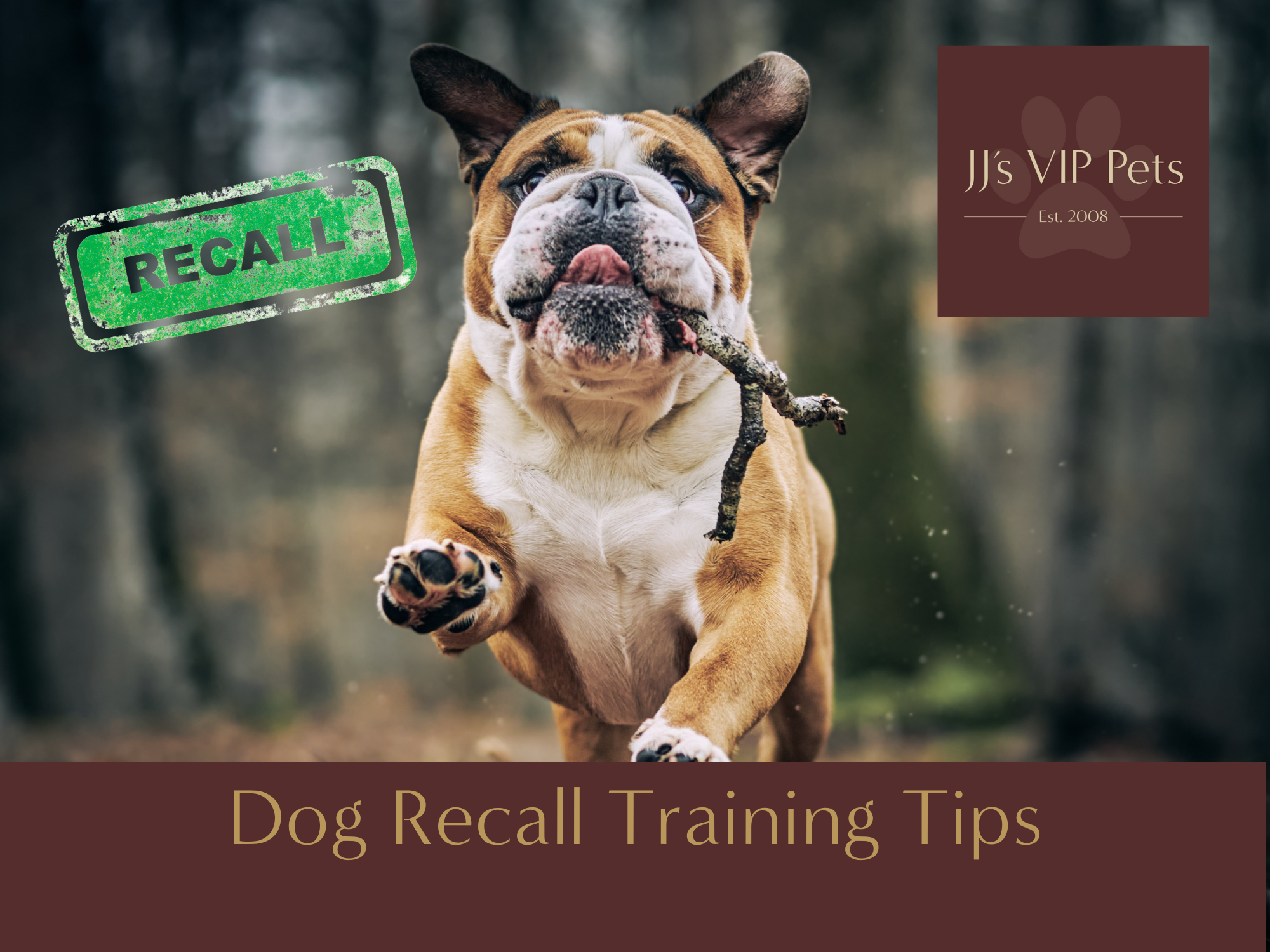
Dog Recall Training Tips
Recall is not about perfection, it is about reliability built over time. With patience, consistency, and the right approach, most dogs can develop a strong, dependable recall that makes life safer and more enjoyable for everyone.
Kevin and Jemma rescued their two year old Belgian Malinois, Rocky, in 2013. When he first came home, he had no recall at all, alongside a number of other behavioural challenges. With Jemma’s guidance and a consistent, positive approach, Kevin was able to teach Rocky a reliable recall within a few months. It took commitment and patience, but it was absolutely worth it. Rocky went on to become a wonderful dog and a much loved part of the family.

Kennels Vs Dog Boarding Vs Dog Sitting
When planning time away, one of the most common questions dog owners face is how best to care for their dog. Options usually fall into three categories: traditional kennels, home from home dog boarding, or dog sitting. Each can work well in the right circumstances, but the best choice depends on your dog’s personality, routine, and emotional needs.
Understanding the differences can help you make a confident decision that prioritises your dog’s wellbeing.

Dogs and Positive Reinforcement Training
Positive reinforcement training is one of the most effective, humane, and widely recommended ways to train dogs. It focuses on rewarding the behaviours we want to see, rather than punishing the behaviours we do not. When used correctly, it helps dogs learn faster, build confidence, and develop a strong, trusting relationship with their handler.
At JJ’s VIP Pets, positive reinforcement sits at the heart of how we work with dogs of all ages, breeds, and backgrounds.